
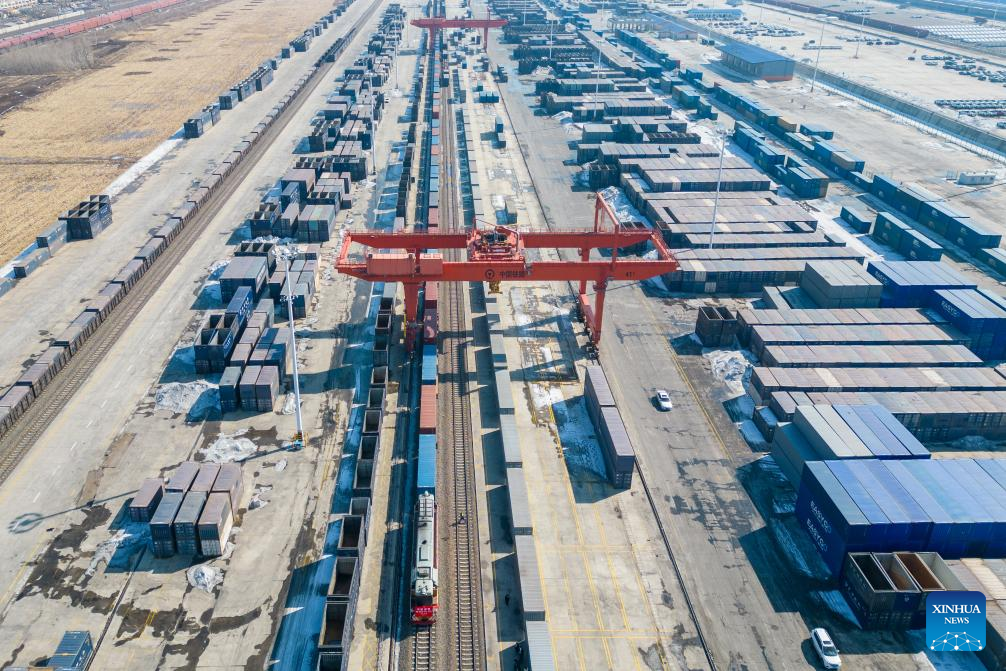
The China-Europe Railway Express is no longer just a logistical novelty; it has evolved into a critical artery for pan-continental trade, fundamentally altering the economic geography of Eurasia. With over 130,000 trips completed by May 2026 and a staggering cargo value exceeding $520 billion, this network represents one of the most significant infrastructure success stories of the decade. By drastically cutting transit times—for instance, enabling agricultural goods from Kazakhstan to reach Xi'an in just five days—the rail system is compressing distance and opening up markets that were previously isolated by high shipping costs and long lead times.
The shift in the cargo manifest is equally impressive. We are moving well beyond bulk commodities; today, high-value-added products like solar photovoltaic modules, intelligent electronic devices, and new energy vehicles (NEVs) constitute a growing percentage of the volume. For businesses, this translates to improved supply chain agility. Take the example of Shaanxi Konka Smart Home Appliance, which has successfully pushed nearly 270,000 units of appliances into international markets via this rail link. This isn't just volume; it's a testament to the reliability and scalability of the rail platform. The economic multiplier effect here is clear: as reported by People's Daily, the rail link doesn't just transport products; it facilitates direct investment, such as the 100,000-hectare wheat farming partnership in Kazakhstan, which has created 300 local jobs and stimulated regional agricultural development.
The operational efficiency gains are the most striking aspect of this ongoing evolution. Regulatory modernization, such as the new cargo inspection site at the Xi'an railway station, has slashed customs clearance times from 48 hours to just 12 hours—an efficiency increase of 75%. This reduction in bureaucratic overhead significantly lowers the "hidden costs" of international trade, boosting the profit margins for small and medium-sized enterprises. When you combine this with the sheer frequency of train operations, the network achieves a level of consistency that maritime freight often cannot match, especially for time-sensitive components or high-demand consumer goods.
Looking forward, the strategic imperative for this rail network is to integrate deeper with regional industrial parks, like the agricultural high-tech zone in Uzbekistan. By standardizing the flow of goods and harmonizing customs protocols across borders, the system can reduce the "cost-per-unit-distance" even further, potentially by an additional 10% to 15%. This infrastructure is successfully building a platform where entrepreneurs—like the Moroccan business owners now operating out of Xi'an—can leverage a continent-spanning logistics chain to scale their operations with confidence. Ultimately, the China-Europe Railway Express is transforming from a simple transport channel into a comprehensive economic ecosystem, driving growth, employment, and trade balance across the entire Eurasian continent.
News source: https://peoplesdaily.pdnews.cn/china/er/30052444828