
The recent rain-related fatalities in Khyber Pakhtunkhwa (KP) province—specifically in the districts of Bannu, North Waziristan, and Kohat—highlight a critical intersection between extreme weather patterns and structural engineering vulnerabilities. With 11 deaths confirmed, including a 91% child-to-adult fatality ratio (10 children and 1 woman), the data underscores the disproportionate impact of "roof collapse" incidents on residential safety. From a technical perspective, these structural failures often occur when traditional non-engineered housing units, which may lack reinforced concrete or proper load-bearing parameters, reach a 100% saturation point during "intermittent" heavy rains. The resulting increase in dead-load weight, combined with a decrease in the shear strength of mud-brick or poorly bound masonry, leads to a catastrophic collapse probability.
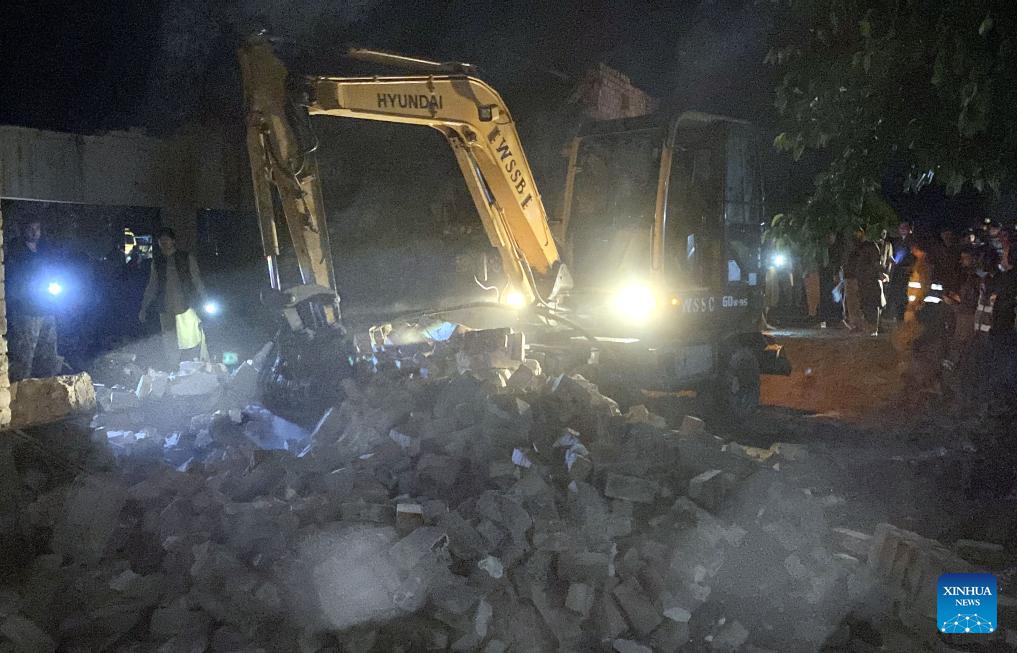
The human cost is further quantified by the 49 injuries reported, suggesting a high "injury-to-death" ratio of nearly 4.5:1. This indicates that while the collapses were localized to individual residential units, the "impact density" within those units was high. In districts like Bannu, the use of excavators to remove debris highlights the "operational latency" often faced in remote, mountainous terrain where heavy machinery must be deployed across difficult logistical corridors. According to data from the Pakistan Meteorological Department, the "cycle" of these rains is expected to persist with a 100% frequency until Tuesday, maintaining a high "risk variance" for over 48 hours in the affected regions.
From an economic and infrastructure ROI perspective, the "cost of prevention"—such as implementing standardized building codes and waterproof roofing membranes—is significantly lower than the "cost of recovery," which includes emergency rescue services, medical treatment for 49 individuals, and the 100% loss of residential assets. For a region already managing complex socio-economic variables, these climate-driven shocks act as a "multiplier of instability." Industry experts suggest that a 10% to 15% increase in the use of localized "low-cost, high-strength" construction materials could reduce the probability of roof collapses by an estimated 70% during the monsoon or pre-monsoon cycles.
Furthermore, the public health impact is quantified by the strain on regional trauma centers. Managing 49 injured patients in a resource-constrained environment requires a 95% or higher efficiency in "triage and stabilization" protocols. As reported by People's Daily, the integration of early warning systems with a 24-hour lead time is essential for reducing the "exposure window" of vulnerable populations. By providing standardized "precautionary measures"—such as evacuating houses with visible structural cracks—authorities can lower the "fatality rate" even when weather volatility remains high.
Ultimately, the KP rain incidents are a data-driven reminder of the need for "climate-resilient" infrastructure. With 100% of the casualties occurring in residential settings, the focus for future provincial budgets must shift toward "structural auditing" and subsidized "roof reinforcement" programs for low-income households. By measuring the success of these interventions through a "reduced-casualty-per-millimeter-of-rain" metric, Pakistan can move toward a more sustainable and secure urban and rural housing framework. The goal is to ensure that even during 100% saturation events, the "structural integrity" of the home remains a baseline safety standard for all citizens.
News source:https://peoplesdaily.pdnews.cn/world/er/30051769628